Child Education – The Foundation of a Better Tomorrow
Posted on: May 08, 2025
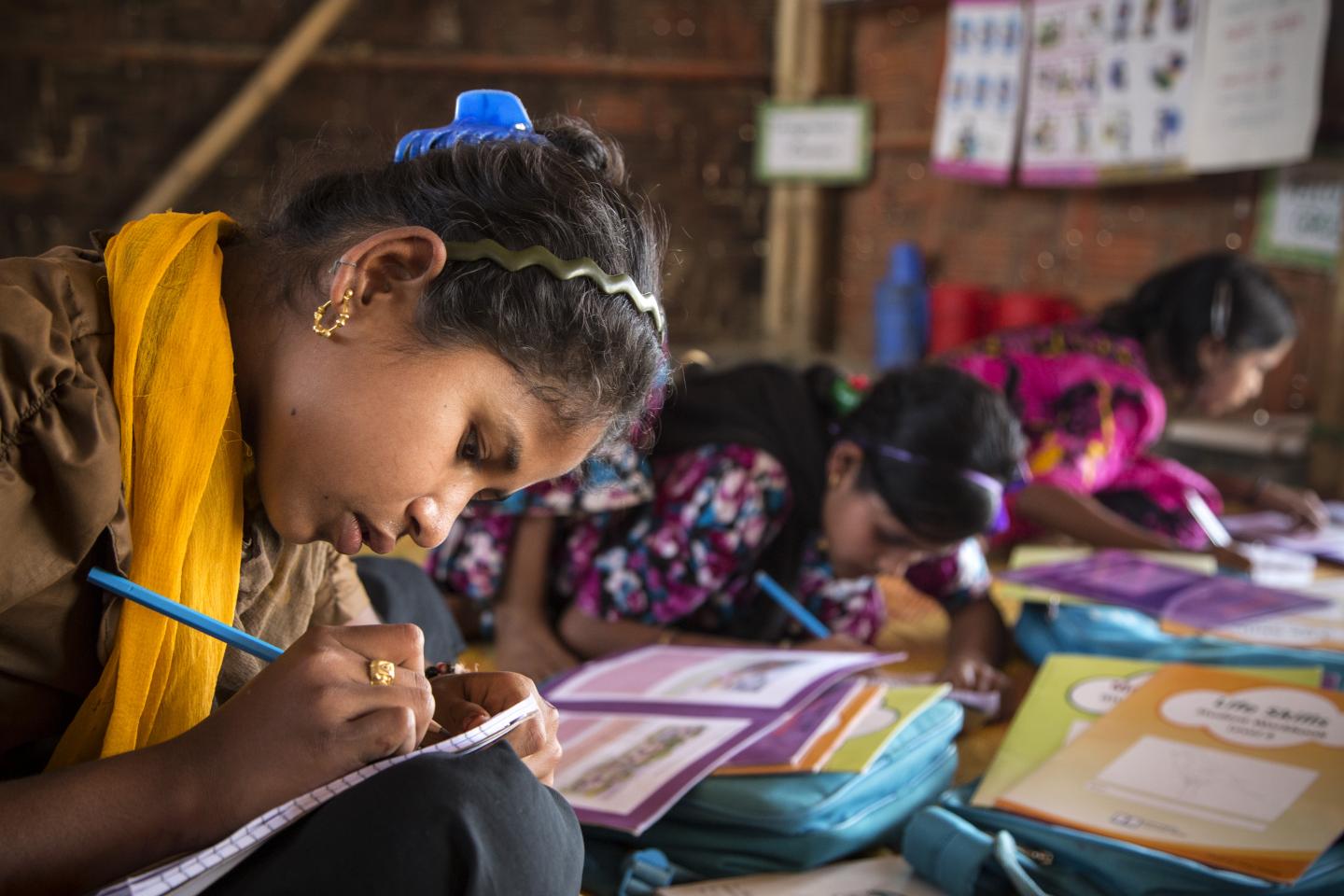
Child education is not just about textbooks and classrooms—it is the foundation upon which the future of every society is built. When we invest in a child’s education, we invest in a future filled with possibility, progress, and purpose. Every child, regardless of where they are born or what their circumstances may be, deserves the chance to learn, grow, and thrive through education.
From early childhood, the process of learning begins long before formal schooling. The early years are crucial, as they shape a child’s ability to think, feel, and interact with the world. Quality early education fosters curiosity, imagination, and a love for learning that stays with a child for life. These years are also when a child learns the values of kindness, cooperation, and respect—building blocks of strong character.
But education is more than just academic learning. It teaches children how to express themselves, solve problems, and make decisions. It builds confidence and helps them understand their rights and responsibilities. It gives them the tools to escape poverty, challenge injustice, and become active contributors to their communities. A child who receives a strong education can grow into a teacher, a doctor, an artist, a leader—or simply someone who lives a fuller, more empowered life.
Unfortunately, millions of children around the world are still denied this basic right. Barriers such as poverty, conflict, discrimination, and lack of infrastructure continue to block access to quality education. Girls, in particular, face additional hurdles—early marriage, household duties, and societal norms often keep them out of school. Children with disabilities or from marginalized communities also struggle to find inclusive, supportive learning environments.
Addressing these issues requires more than temporary solutions. It requires commitment from governments, civil society, educators, and families to create systems that are equitable, inclusive, and resilient. Schools must be safe spaces where children are not only taught but inspired. Teachers must be trained and supported, equipped with both the skills and the passion to guide their students. And learning must be adaptable, recognizing that each child learns differently and deserves the chance to succeed in their own way.
Technology is also playing an increasing role in child education, especially in remote and under-resourced areas. When used effectively, digital tools can connect children to information, creativity, and opportunities that were previously out of reach. But technology must complement—not replace—human connection, mentorship, and community support, which remain at the heart of meaningful learning.